
Why Credit Matters More Than We Think
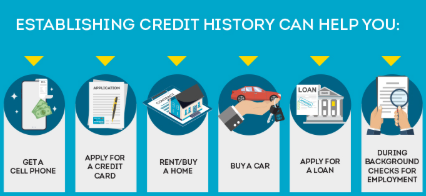
When we land in a new country, everything feels like starting from zero—and in many ways, it is. Credit is one of those invisible systems that quietly shapes our lives. Want to rent an apartment? Buy a car? Get a phone plan? Credit is the silent gatekeeper.
We can think of credit like a reputation score. It’s not just numbers—it’s trust. And if we’re new immigrants, that trust hasn’t been built yet. But here’s the good news: building credit isn’t magic. It’s a system, and once we understand the rules, we can play—and win.
Understanding Credit from Scratch
What Is a Credit Score?
A credit score is a numerical representation of how reliable we are when it comes to borrowing and repaying money.
How Credit Scores Are Calculated
Credit scores typically depend on:
- Payment history (most important)
- Credit utilization
- Length of credit history
- Types of credit used
- New credit inquiries
Think of it like a report card—but instead of grades, it tracks financial behavior.
The Immigrant Credit Challenge
Why Newcomers Start at Zero
Even if we had excellent credit in another country, it usually doesn’t transfer. Financial systems are siloed, meaning we’re starting fresh.
Common Obstacles
- No credit history
- No Social Security Number (SSN) initially
- Limited access to traditional credit products
It can feel like trying to get a job without experience—but needing experience to get a job.
Step-by-Step Strategy to Build Credit
Start with a Secured Credit Card
A secured credit card is one of the easiest ways to begin.
How It Works
- We deposit money (e.g., $200)
- That becomes our credit limit
- We use it like a regular credit card
Why It Works
Lenders see activity and repayment behavior—this builds trust.
Apply for an ITIN (If Needed)
If we don’t have an SSN yet, we can apply for an ITIN (Individual Taxpayer Identification Number).
Benefits of an ITIN
- Allows us to open some credit accounts
- Helps establish financial identity
- Enables tax filing
Become an Authorized User
This is a shortcut—but a powerful one.
What Does It Mean?
We’re added to someone else’s credit card (usually a family member).
Benefits
- Inherit their positive credit history
- Build credit faster
But we must choose wisely—if they misuse credit, it affects us too.
Alternative Ways to Build Credit
Credit Builder Loans
These are designed specifically for beginners.
How They Work
- We “borrow” money held in a locked account
- Make monthly payments
- Get the money after repayment
It’s like saving—but with a credit boost.
Rent Reporting Services
Paying rent is often our biggest monthly expense—so why not get credit for it?
What These Services Do
- Report rent payments to credit bureaus
- Turn regular payments into credit-building activity
Utility and Phone Payments
Some services allow reporting of:
- Electricity bills
- Internet payments
- Phone bills
It’s like turning everyday expenses into stepping stones.
Smart Credit Card Habits
Always Pay On Time
This is non-negotiable.
Even one missed payment can damage our score significantly.
Keep Credit Utilization Low
Try to use less than 30% of our credit limit.
Example
- Limit: $500
- Ideal usage: under $150
Think of it like breathing room—we don’t want to max out.
Avoid Too Many Applications
Each application creates a “hard inquiry,” which can lower our score.
Be strategic, not impulsive.
Building Credit Without a Credit Card
Yes, It’s Possible
Credit cards aren’t the only path.
Other Options
- Credit builder loans
- Rent reporting
- Authorized user status
The key is consistent, trackable payments.
How Long Does It Take to Build Credit?
The Reality Timeline
- 3–6 months: Initial score appears
- 6–12 months: Noticeable improvement
- 1–2 years: Strong credit foundation
Patience is part of the process. Credit is a marathon, not a sprint.
Mistakes Immigrants Should Avoid
Ignoring Credit Completely
Out of sight doesn’t mean out of impact. Not building credit can limit opportunities.
Maxing Out Cards
High utilization signals risk—even if we pay on time.
Closing Old Accounts Too Soon
Older accounts help build history length. Keep them open when possible.
How Credit Impacts Daily Life
Housing
Landlords often check credit before approving rentals.
Employment
Some employers review credit reports (especially for financial roles).
Loans and Interest Rates
Better credit = lower interest = more money saved.
Building Credit as a Student Immigrant
Student Credit Cards
Designed for beginners with little or no credit.
Part-Time Income Helps
Even a small, consistent income can support responsible credit usage.
Joint Accounts vs Individual Credit
Pros of Joint Accounts
- Shared responsibility
- Faster credit building
Cons
- Shared risk
- Less independence
We should weigh these carefully before committing.
Digital Tools to Track Credit
Why Monitoring Matters
Tracking helps us:
- Detect errors
- Understand progress
- Stay motivated
Free Credit Monitoring Options
Many platforms offer free score tracking—use them.
Psychological Side of Credit Building
Discipline Over Emotion
Impulse spending is the enemy of good credit.
Think Long-Term
Every decision today shapes tomorrow’s opportunities.
Building Credit Faster: Is It Possible?
Accelerated Strategies
- Combine secured card + authorized user
- Use multiple reporting tools
- Keep utilization ultra-low
But remember: fast doesn’t mean reckless.
What Happens After You Build Good Credit?
New Opportunities Open Up
- Better credit cards
- Lower loan rates
- Easier approvals
It’s like unlocking a new level in a game.
Closing Thoughts: From Zero to Strong Credit
Building credit as an immigrant can feel like learning a new language—but once we understand it, everything clicks.
We don’t need perfection. We need consistency.
Start small. Stay disciplined. Think long-term.
Because credit isn’t just about money—it’s about freedom, options, and control over our future.
FAQs About Building Credit as an Immigrant
1. Can immigrants build credit without an SSN?
Yes, using an ITIN or alternative financial products designed for non-SSN holders.
2. What is the fastest way to build credit?
Using a secured credit card combined with becoming an authorized user is often the fastest strategy.
3. How much credit score is considered good?
Generally:
- 700+ is good
- 750+ is excellent
4. Do debit cards help build credit?
No, debit cards don’t report to credit bureaus.
5. Can bad credit be fixed?
Yes. With time, consistent payments, and good habits, credit can always improve.