
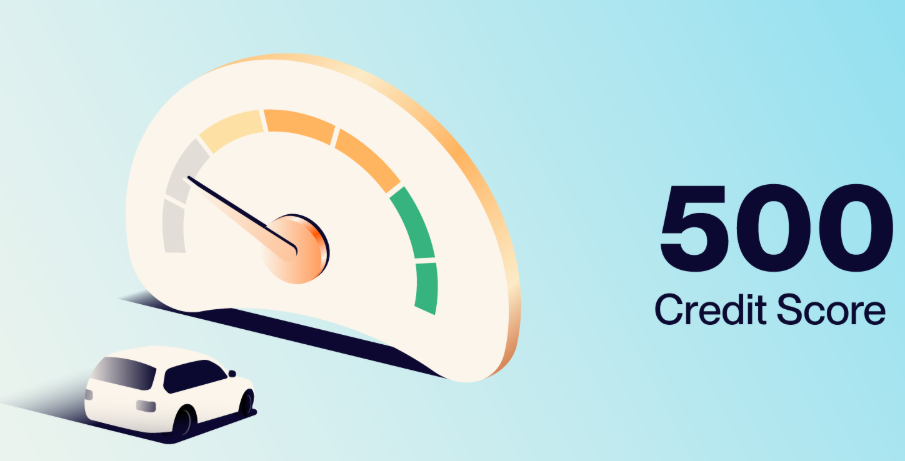
Let’s be honest—having a 500 credit score can feel like trying to open a locked door without a key. Banks hesitate, lenders tighten their rules, and suddenly, even small financial help feels out of reach.
But here’s the truth we often don’t hear: you still have options.
In this guide, we’ll walk together through the real landscape of personal loans with a 500 credit score—no fluff, no unrealistic promises—just practical strategies, smart alternatives, and honest expectations.
Understanding What a 500 Credit Score Really Means
A 500 credit score sits in what lenders call the “poor” category. That sounds harsh—but it simply means risk.
Why Lenders See It as Risky
- Missed payments or late payments
- High debt utilization
- Limited or damaged credit history
- Possible collections or defaults
Think of it like this: your credit score is your financial reputation. At 500, lenders see uncertainty—not impossibility.
Can You Actually Get a Personal Loan with a 500 Credit Score?
Short answer: yes—but with conditions.
Long answer: you’ll face:
- Higher interest rates
- Lower loan amounts
- Stricter terms
But access? It exists.
Where Approval Is More Likely
- Online lenders
- Credit unions
- Secured loan providers
- Co-signer-supported loans
Types of Personal Loans Available with a 500 Credit Score
Let’s break this down clearly.
1. Secured Personal Loans
These require collateral (like a car or savings account).
Why they work:
- Lower risk for lenders
- Higher approval chances
Trade-off:
- You risk losing your asset
2. Unsecured Personal Loans (Bad Credit Loans)
These are harder to get—but not impossible.
Expect:
- High APR (sometimes very high)
- Strict income verification
3. Payday Loans (Use with Caution)
These are fast—but dangerous if misused.
Reality check:
- Extremely high interest rates
- Short repayment windows
We should treat these like emergency tools—not solutions.
4. Credit Builder Loans
Not exactly cash-in-hand loans—but powerful.
Purpose:
- Improve your credit score
- Build trust with lenders
5. Co-Signed Loans
Adding someone with good credit changes everything.
Benefits:
- Lower interest rates
- Higher approval chances
But:
- They share your risk
What Lenders Look at Besides Your Credit Score
Here’s something many people miss: your credit score isn’t everything.
Other Key Factors
- Monthly income
- Employment stability
- Debt-to-income ratio
- Bank account history
Think of your credit score as just one piece of the puzzle—not the whole picture.
How Much Can You Borrow with a 500 Credit Score?
Let’s keep expectations realistic.
Typical Loan Ranges
- $500 to $5,000 (most common)
- Rarely above $10,000 without strong income or collateral
The lower your score, the more lenders limit exposure.
Interest Rates You Should Expect
This is where things get… uncomfortable.
Typical APR Range
- 20% to 36% (common)
- Sometimes higher depending on risk
That’s why we always say: approval is only half the battle—terms matter more.
Step-by-Step: How to Get Approved
Let’s walk through it like we’re doing it together.
Step 1: Check Your Credit Report
- Look for errors
- Dispute anything incorrect
Step 2: Calculate Your Budget
Ask yourself:
- Can we actually afford monthly payments?
Step 3: Compare Lenders
Don’t jump on the first offer.
Step 4: Prequalify When Possible
Soft checks don’t hurt your score.
Step 5: Apply Strategically
Too many applications = more damage.
Best Strategies to Improve Approval Chances
This is where we get tactical.
Smart Moves That Increase Approval Odds
- Add a co-signer
- Offer collateral
- Show consistent income
- Reduce existing debt
- Apply for smaller amounts
Sometimes, getting approved isn’t about luck—it’s about positioning.
Common Mistakes to Avoid
We’ve all been tempted—but these can cost us.
Mistakes That Hurt You
- Applying everywhere at once
- Ignoring APR details
- Falling for guaranteed approval scams
- Borrowing more than needed
- Choosing the fastest option instead of the smartest
Are Online Lenders Better for Low Credit Scores?
In many cases—yes.
Why Online Lenders Work
- More flexible criteria
- Faster approval processes
- Alternative data usage
But remember: convenience doesn’t always mean affordability.
Alternatives to Personal Loans (Sometimes Better)
Here’s the part most articles skip—but it matters.
1. Credit Union Loans
Often more forgiving and community-focused.
2. Payment Plans
Talk to creditors directly.
3. Borrowing from Family or Friends
Not always ideal—but often cheaper.
4. Side Income Instead of Debt
Sometimes earning solves what borrowing complicates.
5. Secured Credit Cards
Build credit instead of risking high-interest loans.
How to Use the Loan Wisely
Getting the loan is just step one.
Use It For:
- Consolidating high-interest debt
- Emergency expenses
- Essential bills
Avoid Using It For:
- Luxury purchases
- Non-urgent expenses
How a Personal Loan Can Help Rebuild Your Credit
This is the silver lining.
Positive Effects
- On-time payments boost score
- Diversifies credit mix
- Builds financial discipline
Used correctly, a loan becomes a tool—not a trap.
Realistic Expectations: What No One Tells You
Let’s be real for a moment.
- You won’t get the best rates
- You’ll need patience
- Improvement takes time
But every payment you make is a step forward.
Quick Checklist Before You Apply
Before hitting “submit,” ask yourself:
- Do we really need this loan?
- Can we afford monthly payments?
- Did we compare at least 3 lenders?
- Are we avoiding high-risk options like payday loans?
If you can answer “yes” confidently—you’re ready.
Closing Thoughts: It’s Not the End of the Road
A 500 credit score doesn’t define your future—it just reflects your past.
And the best part? The past can change.
Every smart financial decision you make from here on out is like laying bricks on a new path. It might not be fast. It might not be easy. But it’s absolutely possible.
FAQs About Personal Loans with a 500 Credit Score
1. Can I get a personal loan instantly with a 500 credit score?
Yes, some lenders offer fast approvals, but instant loans often come with higher interest rates. Always review terms carefully.
2. Will applying for a loan hurt my credit score?
Yes, hard inquiries can lower your score slightly—but the impact is usually temporary.
3. What’s the safest loan option with bad credit?
Secured loans and credit union loans are generally safer than payday loans.
4. Can I improve my credit score while repaying a loan?
Absolutely. Consistent, on-time payments can gradually raise your score.
5. Should I wait to improve my credit before applying?
If possible, yes. Even a small increase in your score can significantly improve loan terms.